The DJI drone ban has become one of the most confusing topics in the drone world. If you own a DJI drone, use drones for business, hire drone operators, or are thinking about buying a drone, you have probably seen headlines saying DJI drones are "banned" in the United States. That sounds simple, but the actual situation is more complicated.
The short answer
DJI drones already owned and authorized in the United States are not generally grounded. The current federal restriction mainly affects new FCC equipment authorizations for covered DJI products, foreign-made drones, and certain drone components. That can limit new imports, new product launches, marketing, and sales — but it does not automatically mean every DJI drone already in use must stop flying.
Quick Summary: What Is Happening With DJI in the United States?
DJI is the world's best-known civilian drone manufacturer and has long been popular with hobbyists, photographers, real estate professionals, public safety teams, farmers, inspectors, and commercial drone operators.
The U.S. government has scrutinized DJI for years because DJI is based in China and because drones can collect imagery, location data, and other potentially sensitive information. Supporters of restrictions argue that Chinese-made drones create national security, supply chain, surveillance, and data risks. DJI disputes those claims and has argued that the company has not received a fair security review or a chance to respond fully to the government's concerns.
The current controversy centers on the FCC's Covered List, federal equipment authorization rules, and Section 1709 of the FY2025 National Defense Authorization Act. In plain English: the U.S. government moved DJI and related categories of drone equipment into a restricted regulatory category. Once equipment is considered "covered," it generally cannot receive new FCC equipment authorization. Because drones use radio transmitters for control and video transmission, FCC authorization is a key part of selling new drone products in the United States.
Is DJI Completely Banned in the USA?
No — not in the broadest everyday meaning of the word. As of this update, there is not a blanket federal order telling every private owner, hobbyist, real estate photographer, or Part 107 drone operator to immediately stop flying an already-authorized DJI drone.
The bigger issue is market access. So when people say "DJI is banned," they may mean several different things:
- New DJI products may be blocked from normal U.S. authorization and sale
- Certain foreign-produced drones and drone components may be blocked from new FCC equipment authorization
- DJI and Autel are specifically named in Section 1709-related restrictions
- Some government agencies already have separate procurement restrictions on Chinese-made drones
- Existing owners may still be able to fly already-authorized DJI drones unless future action changes that
A market restriction is not the same thing as an immediate grounding order for every existing DJI aircraft. That distinction matters.
What Is the FCC Covered List?
The FCC Covered List is a list of communications equipment and services that the federal government has determined pose an unacceptable risk to U.S. national security. Historically it has been associated with telecommunications and communications equipment. The DJI issue matters because drones rely on radio links, control signals, and video transmission hardware.
When equipment is added to the Covered List, it can be blocked from receiving FCC equipment authorization. Without authorization, covered equipment generally cannot be legally imported, marketed, or sold in the normal U.S. market.
Key point
The FCC action is less about turning off drones already in the sky and more about preventing covered equipment from getting new authorization for future U.S. sale, import, or marketing.
How Did the DJI Ban Issue Get Here?
The DJI ban did not appear overnight. It developed through several years of government concern over Chinese-made technology and drone data security.
2017–2023
Growing scrutiny of DJI
2024
FY2025 NDAA — Section 1709
December 2025
FCC adds foreign-produced UAS to Covered List
January 2026
FCC announces exemptions for certain drones
January 2026
DJI files for FCC reconsideration
February 2026
DJI files federal court challenge
Why Is the U.S. Government Concerned About DJI Drones?
1. Data security
Drones can collect photos, videos, flight logs, location data, and mapping data. Government officials have raised concerns about whether sensitive data could be accessed, transferred, or exploited.
2. Surveillance risk
Aerial cameras can capture property, infrastructure, crowds, emergency scenes, and utilities. Even when a drone is being used for harmless civilian work, the underlying technology can be sensitive.
3. Supply chain dependence
DJI has been dominant in the consumer and prosumer drone market. U.S. policymakers have expressed concern that too much dependence on foreign-made drones could weaken domestic drone manufacturing and create strategic risk.
4. Dual-use technology
Drones can be used for real estate, photography, farming, inspections, and filmmaking. They can also be used for military, intelligence, or disruptive purposes. That dual-use nature makes policymakers more cautious.
5. Critical component concerns
The issue is not only the aircraft body. Drone systems include controllers, radio systems, video transmission equipment, flight controllers, batteries, and navigation systems. The government's concern is that risk could exist in the broader drone system.
What Does DJI Say?
DJI disputes the national security claims and has argued that restrictions have been imposed without a fair, completed security review. DJI's position is generally that its products are used widely for legitimate civilian and commercial work, that the company has not been given a fair opportunity to address or refute specific concerns, and that the policy harms U.S. consumers, small businesses, farmers, photographers, and drone service providers.
Both positions — the U.S. government's national security argument and DJI's due process argument — are part of the current dispute.
Can You Still Fly a DJI Drone in the United States?
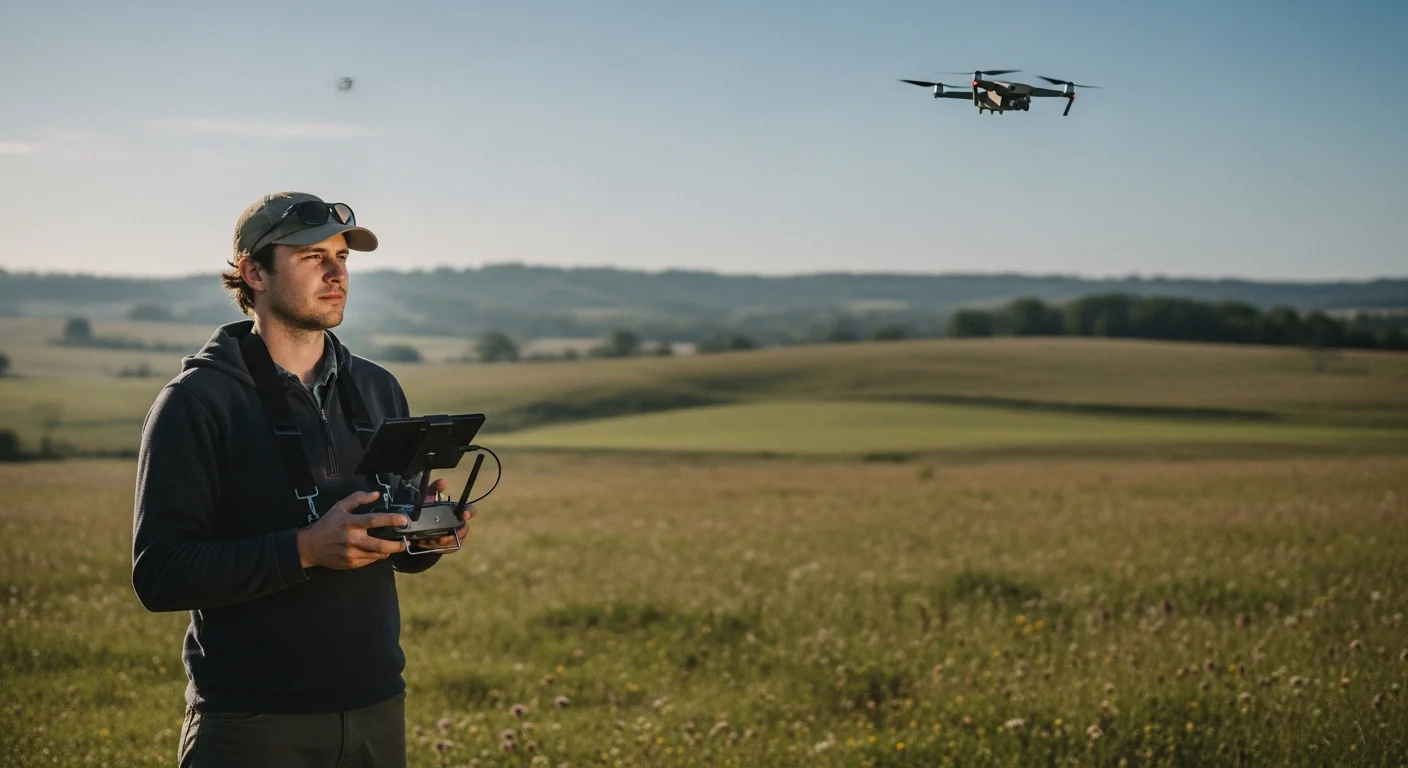
In most normal cases, yes, if you are flying an already-authorized DJI drone and following FAA rules. The FCC action does not automatically ground every DJI drone already owned in the United States.
Drone pilots still need to follow all existing rules, including:
- FAA recreational rules or Part 107 commercial rules
- Airspace authorization requirements
- Remote ID requirements where applicable
- Local takeoff and landing restrictions
- Privacy and property-access considerations
- Insurance or client requirements
- Public-sector procurement rules if working for government clients
For most private customers hiring a drone service for real estate photos, business content, roof documentation, or local property media, the practical question is not usually "Is this DJI drone illegal to fly?" The better question is whether the operator is certified, insured, compliant with FAA rules, and able to safely deliver the work.
What the Ban Means for Drone Owners and Businesses
For current drone owners
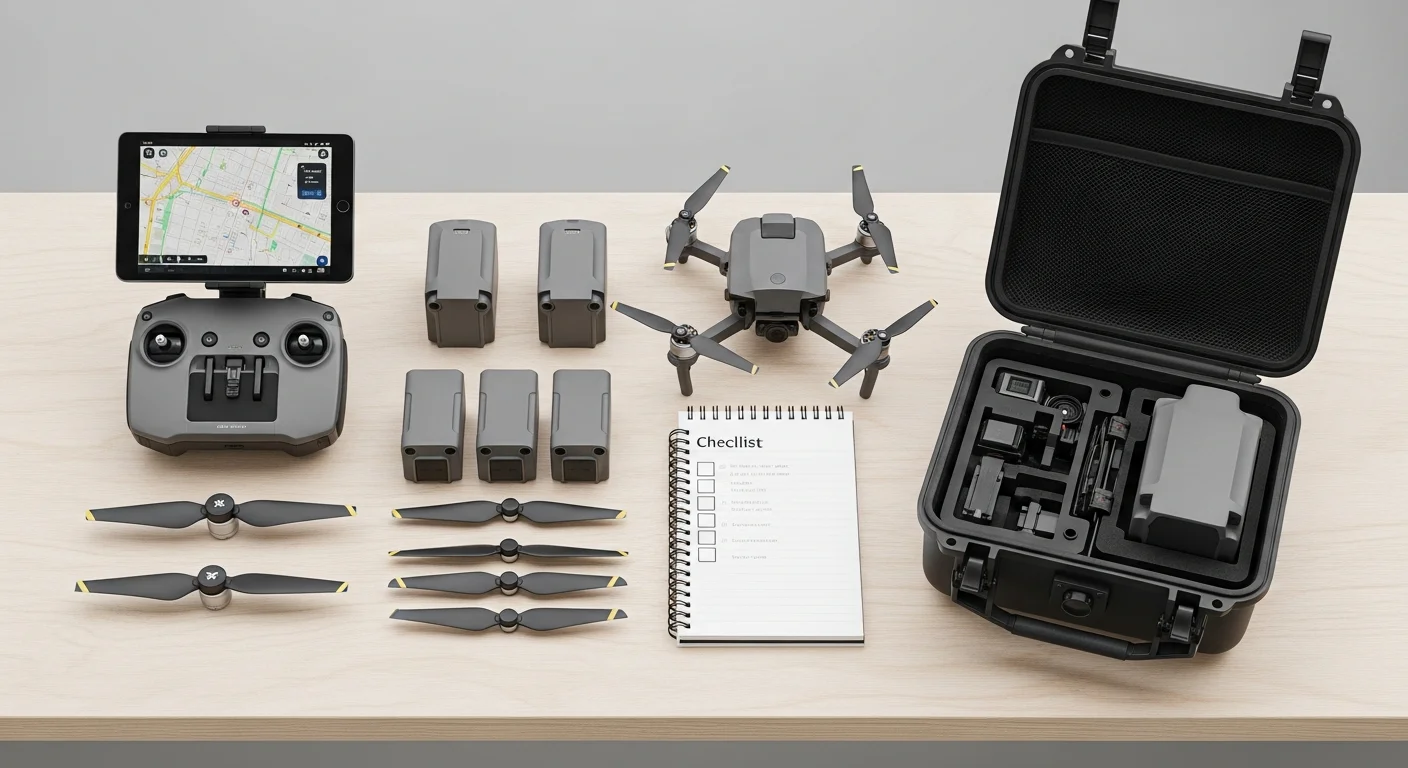
Your existing drone may continue to work, but future availability of DJI products, replacement equipment, repairs, accessories, and upgraded models could become more complicated. Possible impacts include:
- Fewer new DJI drone models available in the U.S.
- Longer delays for new product launches
- Harder-to-find replacement units or accessories
- Higher prices for existing inventory
- More interest in non-DJI drone alternatives
- More uncertainty for commercial operators planning future fleets
If you rely on DJI equipment for paid work, it may be smart to maintain your gear carefully, keep batteries in good condition, and watch for official updates before making large equipment decisions.
For drone businesses
A commercial drone operator may still be able to use existing DJI equipment, but future fleet planning is more uncertain. A professional operator should be honest: current DJI equipment may still be usable for many private-sector projects, but the U.S. market for future DJI products is uncertain.
What This Means for Customers Hiring a Drone Service
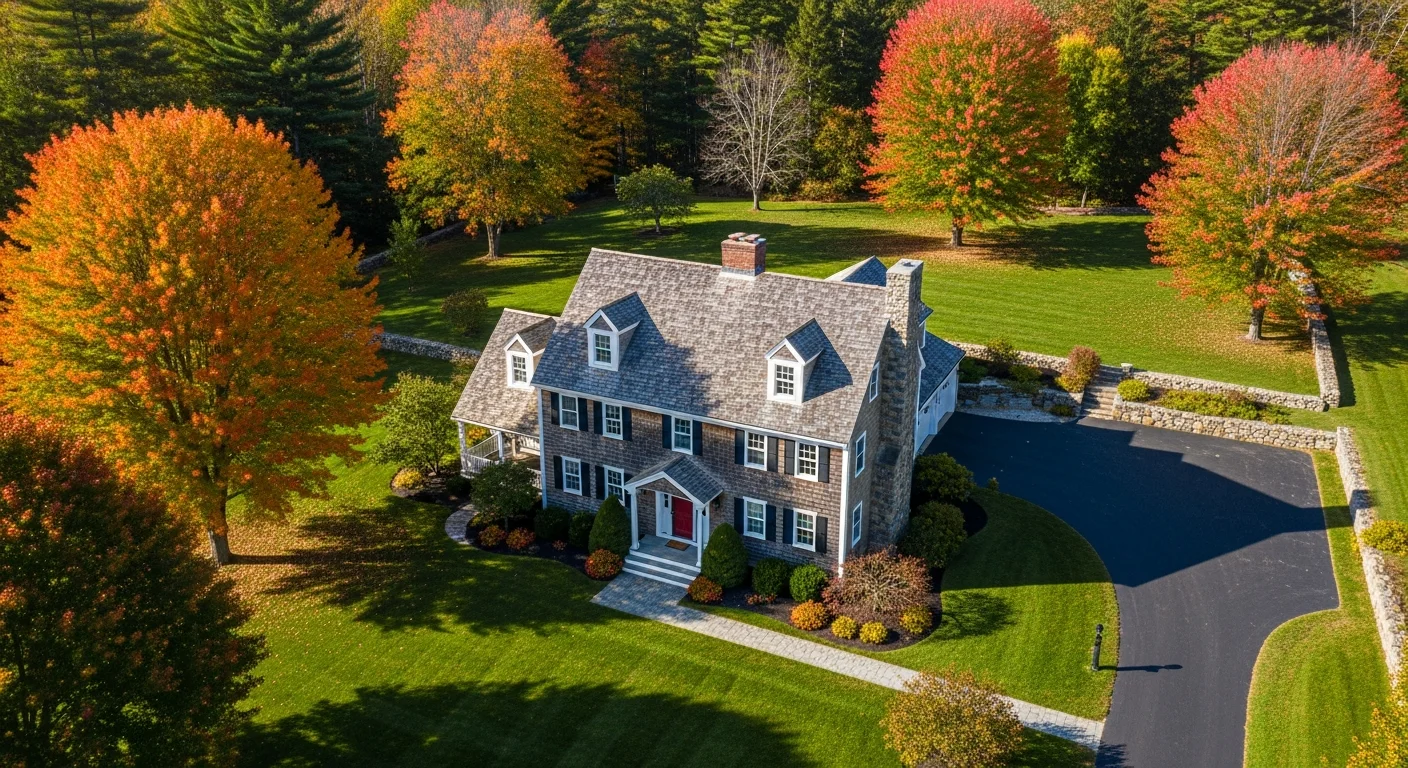
If you are hiring a drone operator for real estate photos, business content, roof documentation, or event coverage, the DJI ban probably does not change the core questions you should ask.
- Is the drone operator FAA Part 107 certified for commercial work?
- Are they insured?
- Do they understand local airspace and weather conditions?
- Can they show examples of previous work?
- Do they provide edited deliverables in the format you need?
- Do they operate safely and professionally?
For most private-sector projects, customers do not need to become experts in FCC equipment authorization. They need a drone operator who is qualified, careful, transparent, and capable of producing the right photos or video.
However, if you are a government agency, public safety department, utility, or federally funded organization, the drone brand and supply chain may matter much more. Procurement rules and internal policies may be stricter in those cases.
Does This Affect Part 107 Drone Pilots?
The DJI ban issue does not replace FAA Part 107 rules. Part 107 is the FAA's commercial drone pilot rule — it covers whether a person is allowed to operate a drone commercially in U.S. airspace. The FCC issue is different: it is about communications equipment authorization, importation, marketing, sale, and covered equipment restrictions.
A Part 107 pilot still needs to comply with FAA operating rules, regardless of drone brand. The DJI ban issue may affect what equipment that pilot can buy in the future, but it does not automatically cancel a pilot's Part 107 certificate or make every existing DJI commercial flight illegal.
Are DJI Drones Being Taken Away or Remotely Disabled?
There is no general public rule requiring private owners to surrender existing DJI drones, and there is no general federal grounding order that automatically disables existing DJI drones as of this update. The more realistic concern is future availability and authorization — new products being blocked, certain inventory becoming harder to buy, or future FCC action that could affect previously authorized devices. Drone owners should track official updates rather than relying on headlines or social media posts.
What Is Still Unresolved?
A lot. The biggest open questions include:
- Whether DJI's FCC reconsideration petition will succeed
- Whether DJI's federal court challenge will move forward or be dismissed as premature
- Whether the FCC will revise, narrow, expand, or clarify the restriction
- Whether more exemptions will be granted
- Whether already-authorized equipment will remain unaffected long term
- How imports, repairs, replacements, and warranty support will be handled
- Whether U.S.-made drone alternatives can fill the consumer and small-business market gap
What Should DJI Drone Owners Do Now?
1. Keep flying legally
Follow FAA rules, airspace rules, Remote ID requirements, and safe operating practices. The FCC issue does not remove your responsibility to fly legally.
2. Maintain your current gear
If DJI availability becomes tighter, batteries, controllers, propellers, and replacement units may become more important. Take care of the equipment you already have.
3. Avoid relying on rumors
The DJI ban issue is changing through FCC proceedings, court filings, agency exemptions, and policy decisions. Look for official FCC updates before making major decisions.
4. Plan before upgrading
If you need a new drone for commercial work, check current availability, FCC authorization status, support options, and whether your clients have any drone-brand restrictions.
5. Understand your client type
Private real estate, small business, and property media clients may care most about quality, safety, insurance, and certification. Government, public safety, or federally funded clients may have stricter drone procurement rules.
Bottom Line: What Does the DJI Ban Actually Mean?
The DJI drone ban issue is real, but it is often described too loosely. The current U.S. restriction is mainly about FCC authorization and market access for new covered equipment. It can block new DJI products and certain foreign-made drones or components from normal importation, marketing, and sale in the United States. It does not automatically mean every DJI drone already owned by private users is grounded.
- For existing drone owners: you can generally continue using already-authorized DJI drones if you follow FAA rules and no separate restriction applies.
- For drone businesses: current equipment may still be useful, but future fleet planning is more uncertain.
- For customers hiring a drone operator: focus on certification, insurance, safety, experience, and deliverables. The drone brand matters most when procurement rules or sensitive public-sector work are involved.
The story is not finished. DJI is challenging the FCC action, the FCC process is still active, and future agency or court decisions could change the practical impact.
Davis Drone perspective
Davis Drone follows FAA rules, monitors drone policy changes, and focuses on safe, professional aerial photography, video, and property documentation for homeowners, businesses, real estate agents, contractors, venues, and local organizations.
For most private-sector projects, the most important factors are still the same: safe flight planning, FAA Part 107 certification, insurance, good weather judgment, clear communication, and professional photo and video deliverables.
If you need aerial photos, video, or property documentation in southern Vermont, western Massachusetts, or southwest New Hampshire, Davis Drone can help plan the right shot list and deliverables for your project.