
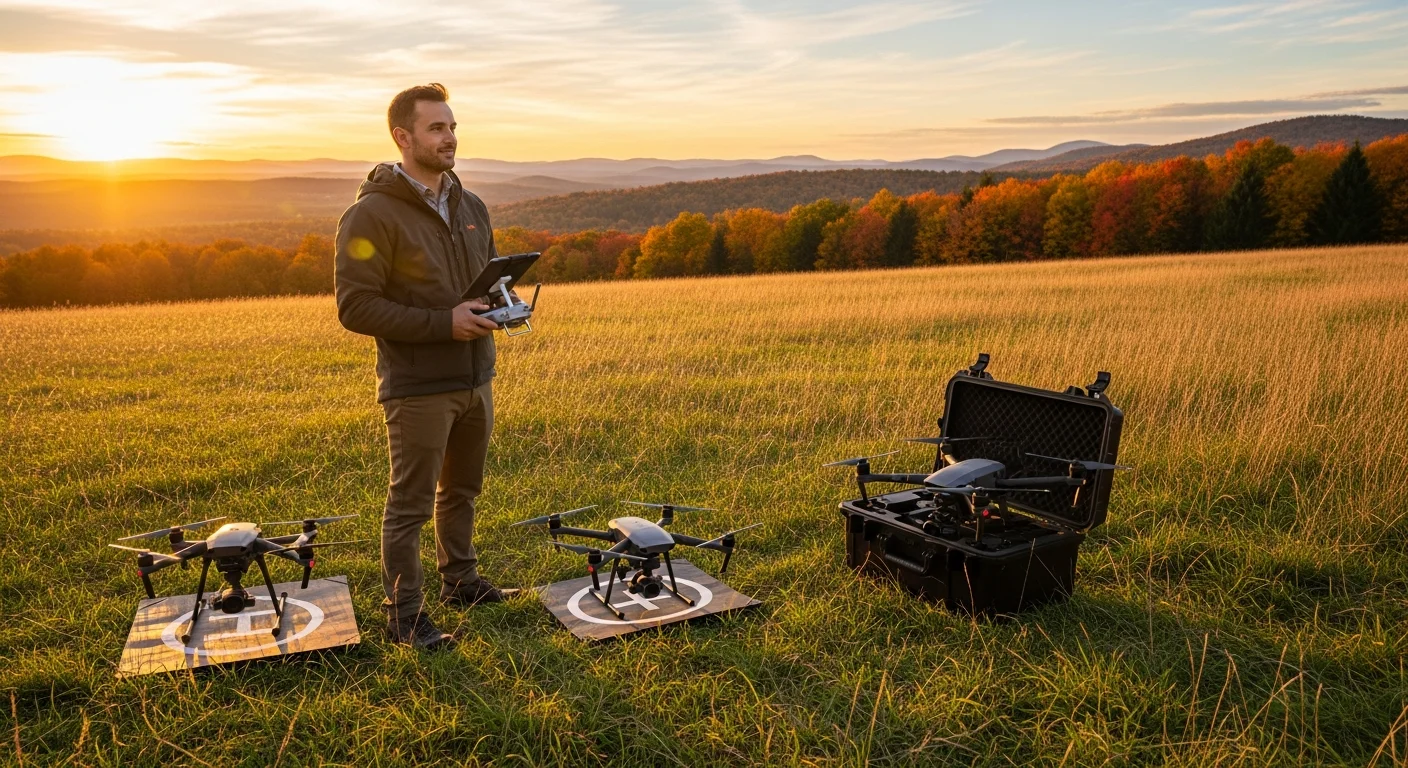
Drones make aerial photography look easy. A compact aircraft lifts off from a driveway, hovers over a property, captures a clean view of a roofline or landscape, and lands a few minutes later. From the outside, it can look like the pilot is simply moving a joystick and pressing record.
But professional drone work is not just about owning a drone. A drone is an aircraft. Even a small one shares airspace with helicopters, small planes, medical flights, agricultural aircraft, and emergency responders. It can fly near homes, businesses, roads, people, power lines, airports, and private property. That is why commercial drone pilots in the United States generally operate under FAA Part 107.
Part 107 is the rulebook that separates casual flying from professional, accountable drone operations. For customers, it matters because hiring a Part 107 certified drone operator means you are hiring someone who has demonstrated knowledge of FAA drone rules, airspace, weather, safety procedures, and responsible flight planning.
Quick answer
FAA Part 107 is the federal regulation that covers most commercial and non-recreational small drone operations in the United States. To fly under Part 107, a pilot generally needs a Remote Pilot Certificate with a small UAS rating, must operate a drone under 55 pounds, and must follow rules covering airspace, altitude, visual line of sight, weather, night operations, operations over people, preflight checks, and safe decision-making.
Why Was Part 107 Created?
Before drones became common, aerial photography usually required helicopters, planes, cranes, lifts, or expensive production crews. Drones changed that — suddenly aerial imagery became affordable for real estate agents, small businesses, contractors, farmers, towns, wedding venues, and independent creators.
Part 107 created a practical path for commercial drone operations. It gave pilots a legal way to fly small drones for work without needing a traditional manned-aircraft pilot certificate, while still requiring them to understand the basics of aviation safety. Part 107 exists because drones are not just cameras. They are aircraft with cameras attached.
When Is Part 107 Required?
Part 107 is usually required when a drone flight is for anything other than purely recreational enjoyment. It is not only about whether money changes hands — the purpose of the flight matters.
Flights that usually require Part 107:
- A real estate agent uses drone photos to market a listing
- A homeowner hires a drone operator for roof documentation
- A contractor uses drone photos to show completed work
- A small business posts drone footage in an advertisement
- A venue uses aerial footage on its website
- A nonprofit uses drone video in a fundraising campaign
- A drone pilot accepts payment for aerial photos or video
- A business owner uses their own drone to create content for their company
The line can be subtle. A flight can be unpaid and still non-recreational if it benefits a business or organization. If someone flies a drone for free to create promotional footage for a business, that still may not be "recreational" just because no invoice was sent — the purpose is promotional, so Part 107 likely matters.
Part 107 Is More Than a Test
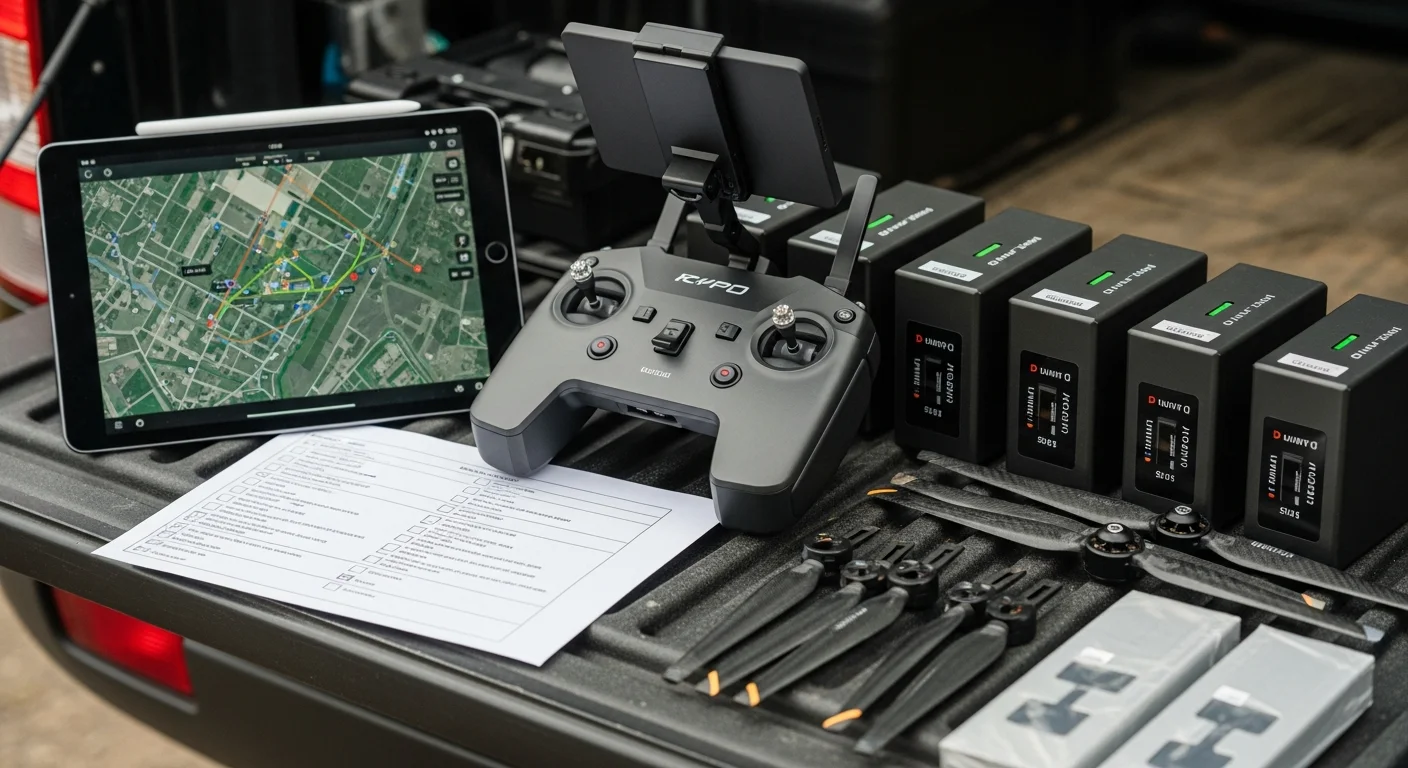
The certificate is only the start. Part 107 is really about how a pilot thinks before the drone ever leaves the ground. A responsible commercial drone pilot is asking questions like:
- Is this airspace controlled? Do I need airspace authorization?
- Are there temporary flight restrictions nearby?
- Is the weather safe for this aircraft? Is wind stronger above the tree line?
- Can I maintain visual line of sight?
- Are there people, roads, power lines, or buildings nearby?
- Is there a safe launch and landing area?
- Is the drone in safe condition? Are batteries, propellers, and Remote ID working properly?
- What is the emergency plan if something goes wrong?
That is what Part 107 is really trying to create: not just pilots who can pass a test, but pilots who think like airspace users.
What Does Part 107 Cover?
1. Remote Pilot Certification
To act as the remote pilot in command under Part 107, a person generally needs a Remote Pilot Certificate with a small UAS rating. To qualify, a new applicant must generally be at least 16 years old, be able to read, speak, write, and understand English, be in a physical and mental condition to safely fly a drone, and pass the FAA initial aeronautical knowledge exam (the UAG test).
2. Aircraft Size and Weight
Part 107 applies to small unmanned aircraft systems — those that weigh less than 55 pounds at takeoff, including everything attached to or carried by the aircraft. For most local drone services, this covers the drones used for real estate photography, business content, roof documentation, land and property media, and event promotion.
3. Visual Line of Sight
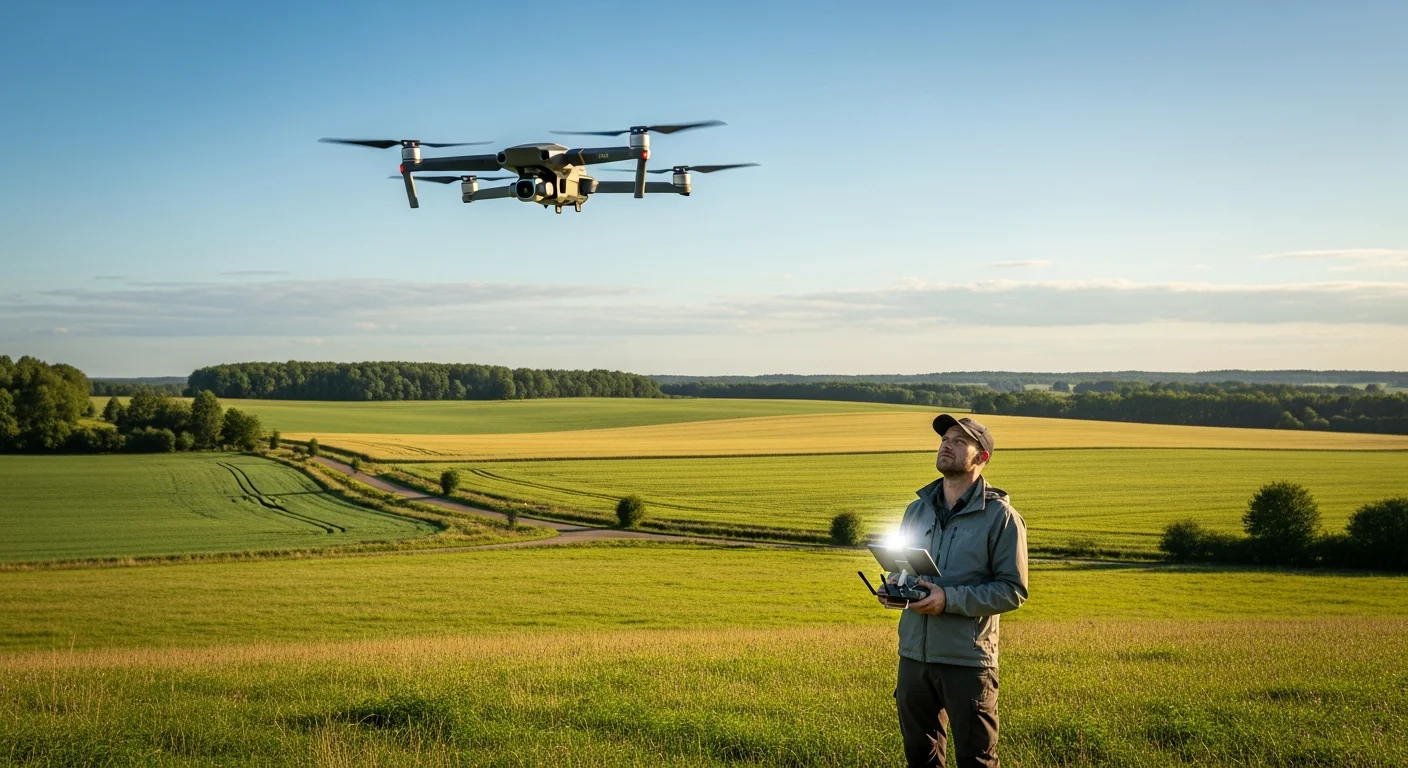
Part 107 generally requires the drone to remain within visual line of sight during flight. The remote pilot, the person manipulating the controls, or a visual observer must be able to see the drone with unaided vision throughout the operation — understanding its location, attitude, altitude, direction of flight, and nearby hazards.
4. Airspace Authorization
Not all airspace is the same. Under Part 107, drone pilots need prior authorization to operate in certain controlled airspace, including Class B, C, D, and certain surface areas of Class E airspace. A property might look simple from the ground but still sit near an airport, heliport, hospital landing area, or restricted zone. A good pilot verifies before flying, not after.
5. Altitude, Speed, and Weather Limits
- Maximum groundspeed of 87 knots (~100 mph)
- Maximum altitude of 400 feet above ground level
- Minimum flight visibility of 3 statute miles
- Required cloud clearance distances
A sunny day is not always a safe drone day. Wind, visibility, clouds, precipitation, cold battery performance, and changing local conditions all matter. These rules are one reason professional drone shoots can be delayed by weather.
6. Night Operations
Part 107 allows routine night operations under specific conditions — completed recurrent training and anti-collision lighting visible for at least 3 statute miles. Night flying can be useful for lit buildings, holiday displays, event atmosphere, and creative brand visuals, but it requires more planning. Depth perception changes, obstacles are harder to see, and small mistakes can become bigger problems.
7. Operations Over People and Moving Vehicles
This is where "I have a Part 107 certificate" does not automatically mean "I can fly over anything." Routine operations over people and moving vehicles are allowed only under specific conditions based on risk, aircraft weight, design, safety features, and how the flight is conducted. A responsible drone pilot should not casually fly over crowds, traffic, or uninvolved people just to get a shot.
8. Preflight Inspection and Risk Assessment
Part 107 requires the remote pilot in command to assess the drone's condition and the operating environment before flight — including local weather, airspace, flight restrictions, people and property nearby, ground hazards, and emergency procedures. The customer may only see the drone in the air for 20 minutes. The pilot may have spent time before that checking batteries, propellers, firmware, airspace, weather, and shot lists. The visible flight is only one part of the job.
9. Registration and Remote ID
Part 107 operators must register their drones and mark the registration number on the aircraft. Drones flown for business generally must also comply with Remote ID rules, which allow a drone in flight to broadcast identification and location information.
10. Waivers and Advanced Operations
Some operations can be approved through FAA waivers — official approvals that allow a pilot to operate outside certain Part 107 limitations if they can demonstrate the flight can be conducted safely using alternative methods. For most local aerial photography, real estate, and business content, a waiver may not be needed.
Why Part 107 Matters When You Hire a Drone Operator
If you are hiring someone for drone photos or video, Part 107 should matter to you even if you do not care about aviation rules. It affects liability, professionalism, safety, and whether the work is being done legally.
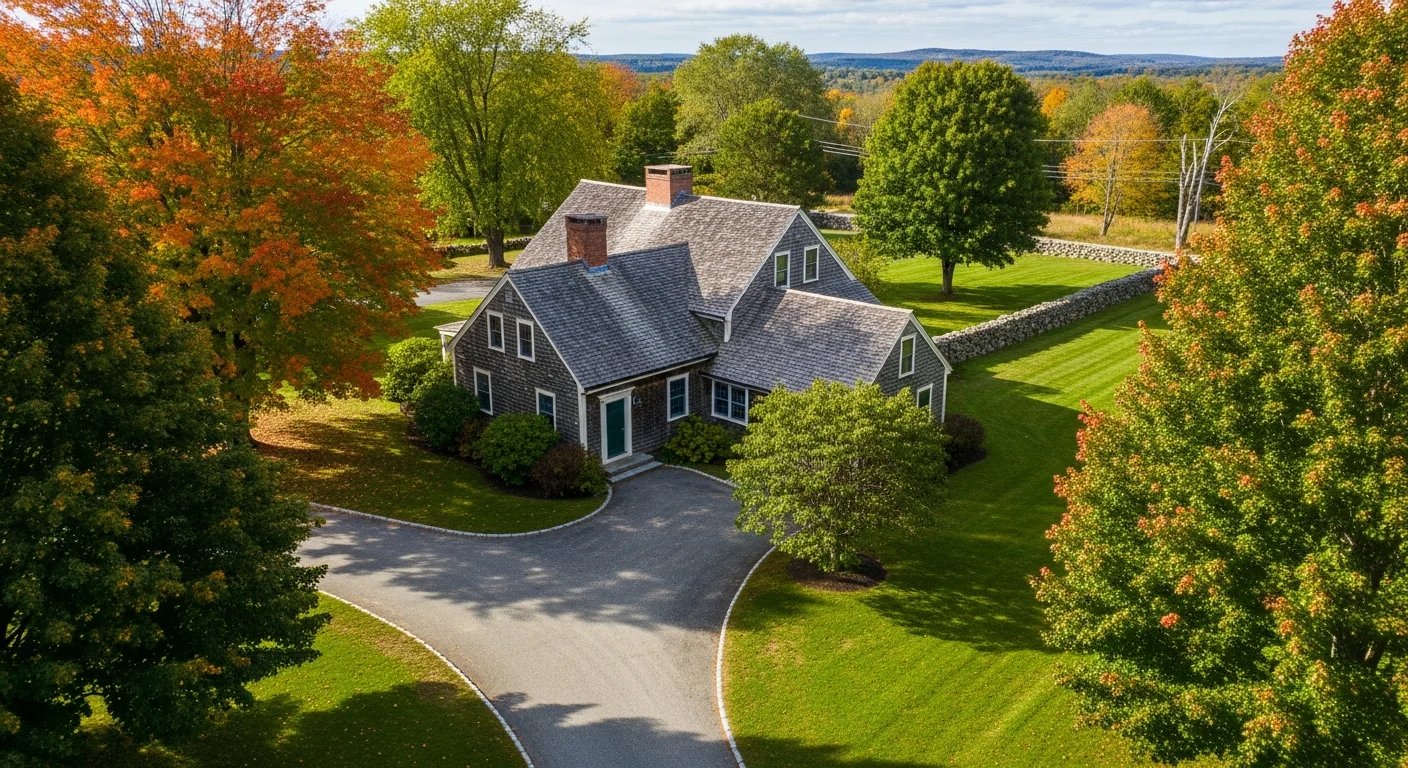
For example, if you hire someone to take aerial photos of a real estate listing, that is commercial drone work. If the person is not Part 107 certified, they may not be operating legally — which can create unnecessary risk for the pilot, the client, and the project.
A Part 107 certified operator is not automatically a great photographer. Certification does not guarantee beautiful footage. But it does show the operator has taken the legal and safety side of the work seriously. For professional drone work, you want both: legal, safe, FAA-compliant operation and strong photo, video, editing, and creative judgment. The best drone services combine both sides.
Part 107 Does Not Mean "Anywhere Goes"
One common misconception is that once a pilot has Part 107 certification, they can fly anywhere. That is not true. A certified pilot still needs airspace authorization, permission to launch from private property, safe weather conditions, visual line of sight, a plan to avoid people and vehicles, Remote ID compliance, and checks for temporary flight restrictions.
That is actually a good thing for customers. It means a qualified pilot should be willing to say, "We can do this safely from this angle," or "That shot is not worth the risk," or "We need to reschedule because the wind is too high." Professional judgment is part of the service.
What Is on the Part 107 Test?
The Part 107 initial aeronautical knowledge exam covers more than basic drone controls:
- FAA drone regulations and airspace classifications
- Operating requirements and flight restrictions
- Aviation weather sources and weather effects on performance
- Emergency procedures and crew resource management
- Radio communication and airport operations
- Maintenance and preflight inspection procedures
- Night operations and aeronautical decision-making
- Effects of drugs and alcohol on flight safety
A commercial drone pilot is expected to understand the environment they are flying in, not just the aircraft they are flying. A drone may be small, but the airspace system around it is not.
Does a Part 107 Certificate Expire?
The Remote Pilot Certificate does not work like a simple one-time test a pilot can forget about forever. To exercise Part 107 privileges, a remote pilot must maintain aeronautical knowledge recency — generally by completing required recurrent training within the previous 24 calendar months. The point is to keep pilots current as rules, technology, and safety practices evolve. It is reasonable to ask whether a drone operator is currently Part 107 certified and active, not just whether they passed the test years ago.
Part 107 vs. Recreational Drone Flying
Recreational drone flying and Part 107 drone flying are not the same thing. The same drone can be used under different rules depending on the purpose of the flight:
- Flying a drone over your own backyard for fun may be recreational
- Flying the same drone to create a video for your landscaping business may be Part 107
- Taking a pretty aerial shot for personal enjoyment may be recreational
- Taking a similar shot for a real estate listing, website, or paid client may be Part 107
If the footage supports marketing, sales, operations, documentation, or client work, it is usually not just "for fun."
What Part 107 Means for Real Estate, Roof Documentation, and Business Content
Real estate drone photography
Real estate drone photography is commercial work. A listing exists to market and sell property, so drone photos and video used for that listing generally fall under Part 107. A certified pilot should understand airspace, altitude, safe angles, property boundaries, people nearby, roads, and weather conditions before flying.
Roof and property documentation
Roof and property documentation may look simple, but it can involve flying around homes, trees, chimneys, power lines, driveways, people, and neighboring structures. Part 107 helps frame that work as a planned operation rather than a quick casual flight. Drone roof documentation is not automatically a certified inspection, but it can provide useful visual records from angles that are difficult to capture from the ground.
Business marketing content
When a business uses drone footage on a website, in ads, on social media, or in promotional materials, that is commercial use. A Part 107 pilot can help plan shots that are both useful and responsible.
Events and venues
Events can be more complicated because of people, moving vehicles, crowd density, permissions, and safety concerns. Part 107 does not automatically allow a pilot to fly over crowds — it requires planning around the actual risk of the scene.
What Customers Should Ask Before Hiring a Drone Pilot
- Are you FAA Part 107 certified?
- Are you insured?
- Do you check airspace before flying?
- Do you understand Remote ID requirements?
- What happens if weather is not safe?
- What deliverables are included?
- Do you provide edited photos, video, or both?
- Have you done this type of project before?
- How do you handle flights near people, roads, or neighboring properties?
A professional drone operator should not sound annoyed by safety questions. They should be able to explain the plan in normal language.
What Part 107 Does Not Cover
Part 107 does not automatically guarantee:
- Great composition or professional editing
- Fast turnaround or good storytelling
- Insurance coverage
- Permission to launch from private property
- Permission to fly in every location
- Certified roof inspection expertise
- Survey-grade mapping accuracy
This is why hiring a drone operator is not only about asking "Do you have Part 107?" A better question is: Do you have the certification, insurance, judgment, and creative skill to safely deliver the result I need? That combination matters more than the drone itself.
Davis Drone and Part 107
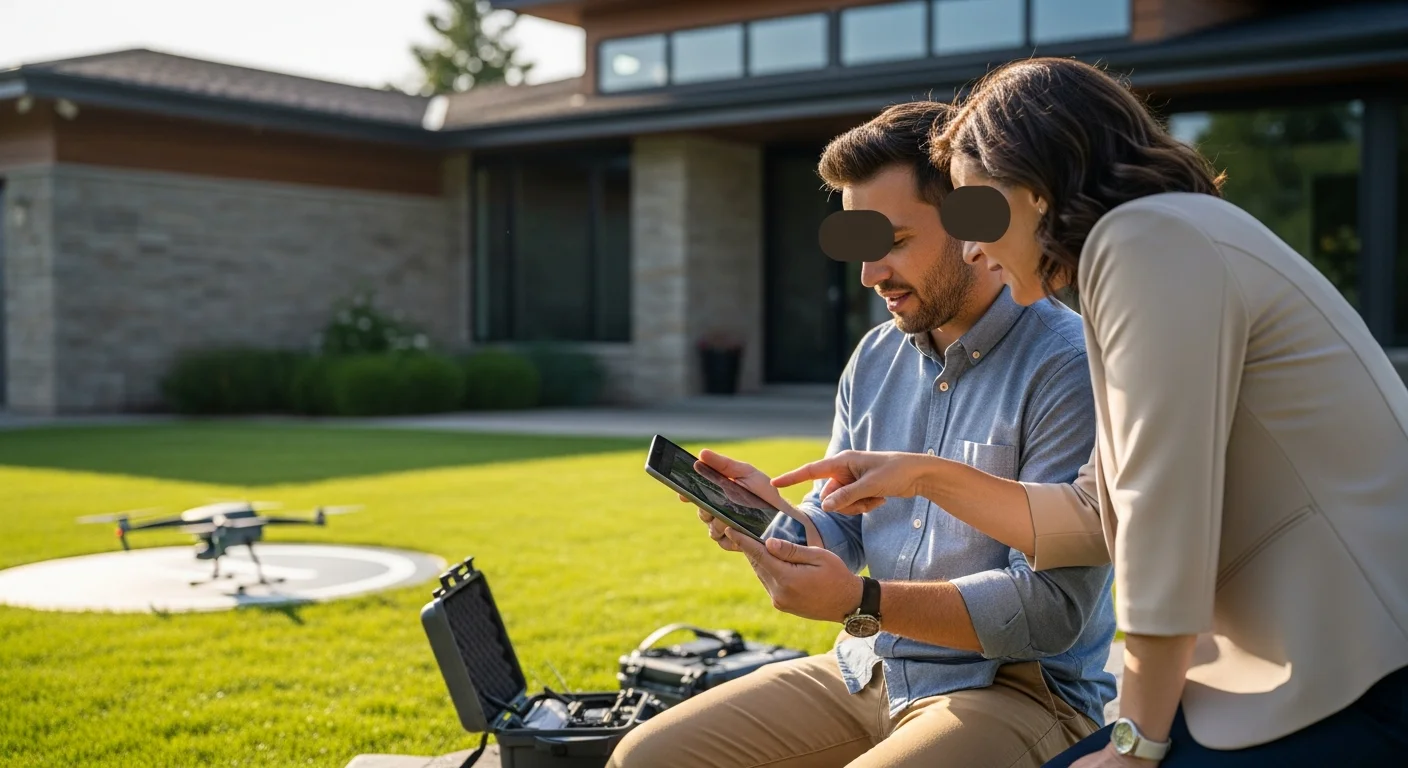
Davis Drone is FAA Part 107 certified and fully insured. That means Davis Drone is qualified for commercial drone operations and approaches aerial work with both safety and deliverables in mind. For customers in southern Vermont, western Massachusetts, and southwest New Hampshire, that matters because many local drone projects involve rural properties, tree-covered lots, changing weather, hills, nearby roads, small airports, private land, and unique New England settings.
Davis Drone provides aerial photography, video, and property documentation for:
- Real estate listings and property media
- Business and brand content
- Roof and property documentation
- Contractor projects and before-and-after documentation
- Social media videos and short-form content
- Venue and event promotion
- Land and rural property media
- Local organizations and community projects
Final Takeaway: Part 107 Is About Professional Responsibility
Part 107 is sometimes described as a drone license, but that undersells it. It is really a responsibility framework. It tells commercial drone pilots how to think about airspace, weather, people, property, aircraft condition, altitude, visibility, night operations, moving vehicles, emergencies, and flight planning. It gives businesses and customers a way to know whether a drone operator has met the FAA's baseline requirements for commercial work.
A beautiful aerial photo may be the final product, but safe decision-making is what makes the work professional. When you hire a drone operator, Part 107 should not be a bonus. It should be the baseline.